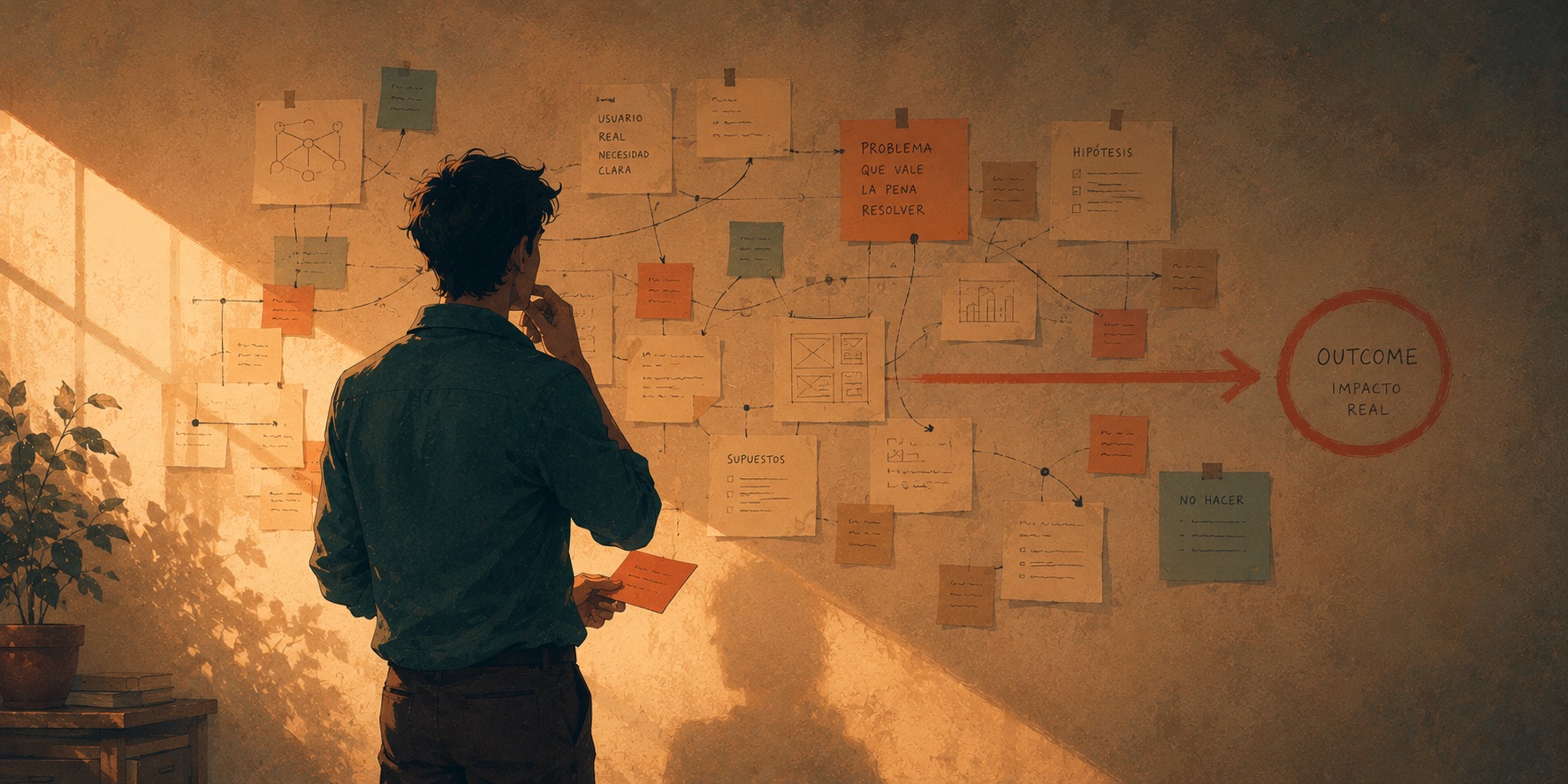
Act IBefore the code
What to build and where to land it
A ticket without a problem behind it is future debt, no matter how well it's implemented.
- 01 · Product criterion
- 02 · Technical diagnosis
The craft of the Product Engineer when AI writes the code by default.
Code is a means, not the end.

You probably already feel it. AI writes the code for you. Some afternoons you realize you've spent three hours accepting suggestions, another three iterating on a plan, and when you close your laptop you couldn't reconstruct what you did. Apparent speed went up, but something is creaking underneath.
If your value depended on how much code you wrote, AI has the upper hand on you. The difference is what I call craft: six concrete practices, almost always invisible in your Jira, that separate the engineer who ships product from the one who ships tickets.
A note before going on. This is not a document about AI. It's a document about what remains yours when AI sits inside the editor.
Each act develops two dimensions of the craft. Every dimension follows the same pattern: symptom of atrophy, mental shift, three practices for Monday, and the table of what it costs not to do them.
A ticket without a problem behind it is future debt, no matter how well it's implemented.
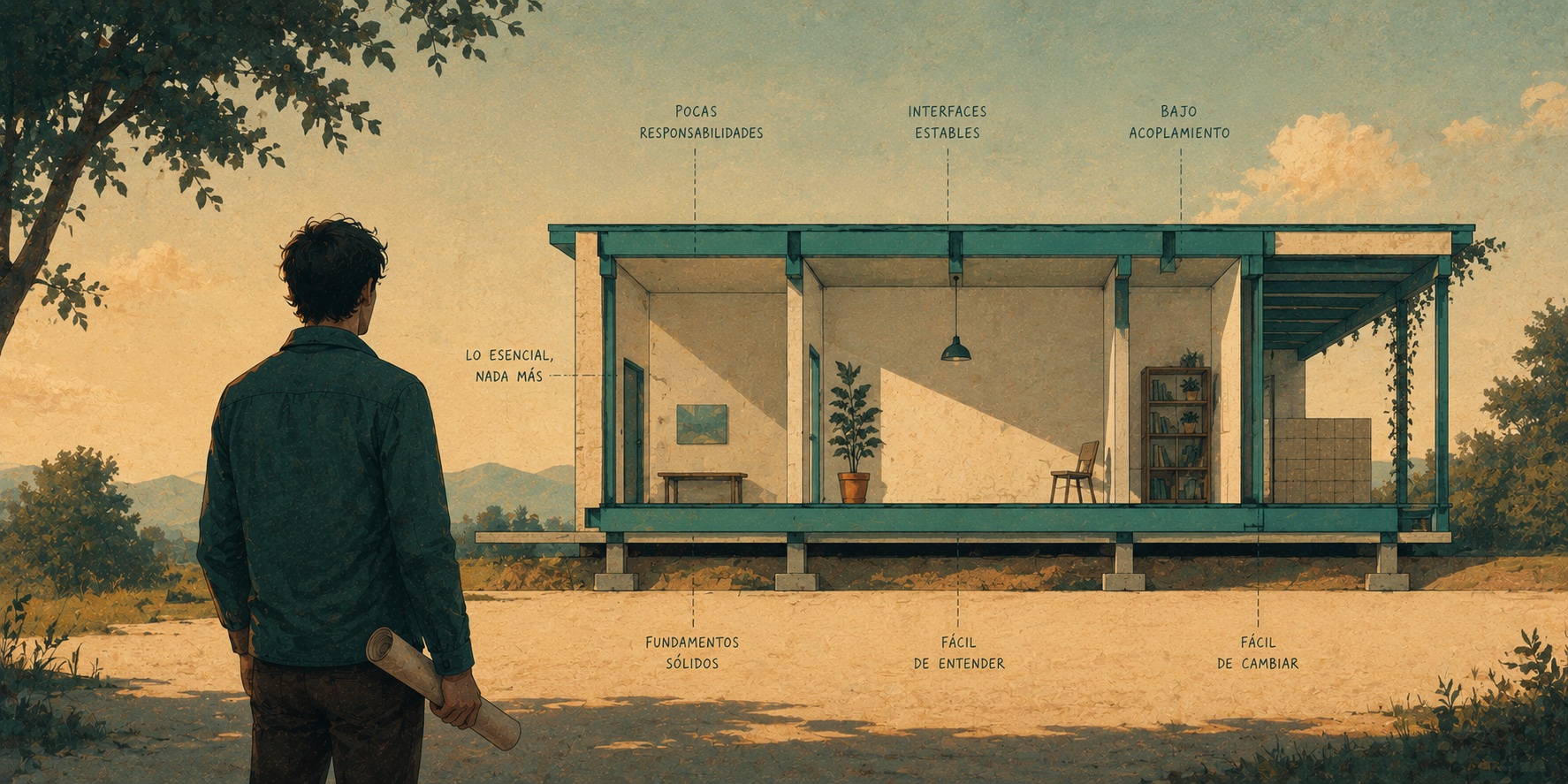
The craft inside the code is not producing, it's resisting. AI pushes in the opposite direction, not by mistake, but by training.

The merge is not the delivery. The delivery is the metric moving, and someone who knows how to tell the story.
When code becomes cheap, what separates the engineer the tool replaces from the engineer the tool amplifies are these six practices. The rest is done by the tool.
Your unit of work is not the ticket, it's the problem the ticket represents. The three whys, the five-line briefing, and the conversation about alternatives before implementing.
Before touching a module, understand it. Impact mapping in fifteen minutes, the rule of the file next door, and the curious git blame, so your PR doesn't break what nobody anticipated.
Code holds up by simplicity, not by cleverness. A complexity budget, a second reading of the PR, and the smallest-file rule against the AI reflex of adding layers.
You direct, even when you don't type. AI writes, tests, and operates more and more, but it doesn't take on the consequence of choosing badly: that's on you. Ask it for alternatives instead of solutions, use it to interrogate the system rather than just modify it, and always sign off yourself.
Your work doesn't end at the merge. Close the loop all the way to the metric, show up when your thing is on fire, and leave explicit handoffs for whoever comes next, including your future self three sprints from now.
If your manager doesn't see the craft, the craft doesn't exist for your career. A decision journal, a 1:1 structured around outcomes, and three honest sentences for when the opportunity shows up.

“Code was never the product,
it was the means.”
What you're paid for as a Product Engineer (deciding what to build, writing what holds up, and shipping beyond the merge) is still human work. AI accelerates the means, not the end. This document is about not confusing them.
Four templates with explicit cadence (Monday, during the week, Friday, every 1-2 weeks) so the craft enters your routine without rewriting your calendar.
A scale per dimension to see, on a single sheet, where you're operating as a typist and where as an owner. Concrete evidence plus a reflective close.
Four sections to stop reporting and start narrating: what I decided, what I learned, what I'm watching, where I need cover.
Six questions (one per dimension) to look at the week before closing it. Tick boxes, no scoring, no gamification.
Two entries per sheet with Decision / Context / Alternatives / Outcome. Twenty entries in a quarter tell a story no list of PRs ever will.
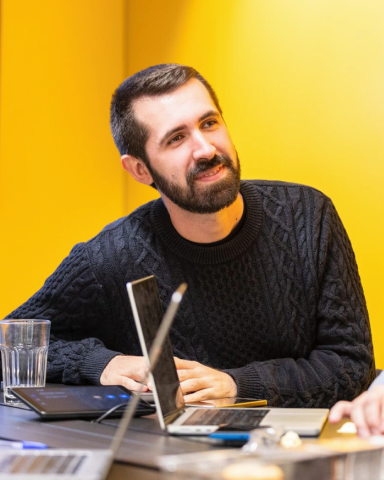
Emilio Carrión
Staff Engineer · Mercadona Tech · PhD candidate at UPV · Software production methods
I'm a Staff Engineer at Mercadona Tech: I build systems at real scale in physical retail. I combine this with a PhD at UPV on software production methods. Outside of work I write for thousands of senior engineers, give talks, and selectively collaborate with technical leaders and Product Engineers who are redefining their craft now that AI writes the code.
It's free. I'll send it to your email and add you to my newsletter, where I write every week about the same thing.